
How Royal Weekends Give Cheer and Dance Programs Two Chances to Compete in One Trip
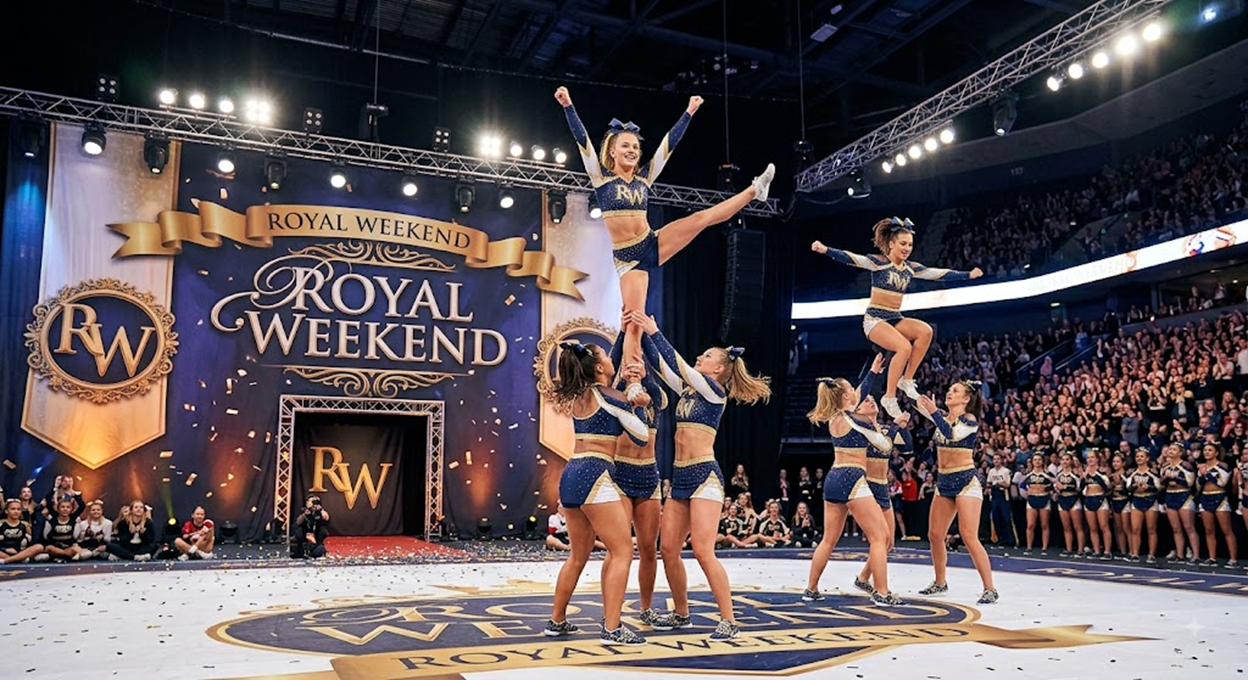
Royal Weekends give cheer and dance programs two competition opportunities across one travel weekend, allowing teams to perform again without booking a second trip. This format can help programs make better use of travel costs, gain more performance experience, and give athletes another chance to show what they can do in front of judges and fans.
For coaches planning a full competition season, the value goes beyond convenience. A weekend with two events can create more time on the floor while keeping travel, lodging, meals, and family schedules tied to one destination. Royal Events describes its Royal Weekends as a two-day, back-to-back competition experience built around double the energy, awards, and chances to shine.
What Makes A Royal Weekend Different?
A Royal Weekend combines two competitions into one weekend at the same transformed venue, giving teams more than one competitive opportunity during a single trip. Instead of traveling to a new city for every event, a program can build one weekend around two performances.
That difference matters because competition travel takes more planning than simply getting athletes to a venue. Coaches must consider transportation, hotel rooms, meals, athlete recovery, practice time, staff schedules, and family commitments. When two competitions are grouped together, some of those costs and logistics can be shared.
Royal Events has built a growing national schedule around different competition formats, including The Crown, Ultimate Championship Experience (UCE), Royal Nationals Series, EPIC!, and The Small Gym Showdown. Industry coverage also shows the company expanding its event calendar into additional U.S. markets for the 2026–27 season.
Why Two Competitions Can Be Valuable For A Program
Two competitions give athletes another opportunity to perform, but the real value is the feedback loop between performances. Coaches can use what they see during the first event to make small changes before the next appearance.
A team might notice that a transition is slow, a stunt needs cleaner timing, or athletes are rushing a section of the routine. The next performance becomes a chance to apply those corrections. That can make the weekend useful as both a competition experience and a learning opportunity.
There is also a mental benefit. Athletes who make a mistake during the first performance do not have to wait several weeks for another chance. A second competition gives them a near-term opportunity to reset, focus, and perform with greater confidence.
How Should Coaches Prepare For Two Performances?
Coaches should treat the two competitions as separate performances rather than assuming the same preparation will work twice. The goal is to keep athletes ready without using so much energy on the first day that the second performance suffers.
A practical approach starts before travel. Coaches can identify which parts of the routine need the most attention and set a few simple performance goals for the weekend. Those goals may involve cleaner synchronization, stronger facial expression, better timing, sharper tumbling, or more controlled transitions.
After the first competition, the coaching staff can review notes while details are still fresh. Avoid trying to rebuild the entire routine overnight. Small corrections are more realistic when athletes have limited recovery time.
What Should Families Consider When Planning The Trip?
Families should plan for the weekend as a two-event trip, even if both competitions take place in one venue. That means checking the full event schedule before booking flights, hotels, meals, or transportation.
Hotel location can matter more than finding the lowest room rate. A property close to the venue may reduce daily driving, parking costs, late-night travel, and the time athletes spend sitting in a car. For younger teams, that saved time can be used for meals and rest.
Families should also avoid packing only for competition hours. Comfortable clothes, extra snacks, refillable water bottles, chargers, medications, and clothing for changing weather can make a long event weekend easier.
Can Two Events Help Reduce Competition Travel Costs?
Yes, combining two competitions can make one travel weekend more efficient, although the actual savings depend on the event location, hotel rates, transportation, and team schedule. The biggest advantage is that one trip can cover two competitive opportunities.
Consider the costs that often repeat when teams travel to separate events: gas or airfare, hotel nights, parking, meals, rental vehicles, and time away from work or school. A Royal Weekend does not eliminate these expenses, but it can reduce the need to repeat them for another event.
Programs should still compare the complete cost rather than assuming a two-event weekend is automatically cheaper. A distant venue, extra hotel night, or large travel party could change the calculation. Coaches should look at total trip cost per athlete and compare it with the cost of attending two separate competitions.
What Performance Benefits Come From Competing Twice?
The second performance can reveal whether a team can make useful adjustments under real competition conditions. Practice allows repetition, but competition adds pressure, unfamiliar surroundings, judges, crowds, music cues, and a different level of adrenaline.
That makes the second event particularly useful for athletes learning to manage pressure. They have already experienced the venue and competitive setting, so they may be able to focus more closely on execution.
Royal Events’ published competition materials also show the detailed scheduling involved in these events, with divisions, sessions, performance times, and different cheer and dance categories organized throughout the day.
For coaches, the second performance can provide another set of observations. For athletes, it can turn one weekend into a concentrated test of consistency.
How Can Teams Avoid The Biggest Royal Weekend Mistakes?
The biggest mistake is treating the weekend like one long competition instead of two separate performances that require recovery. Athletes still need food, hydration, sleep, warm-up time, and mental breaks.
Another common problem is overcorrecting after the first performance. A coach may spot several issues and want to change everything immediately. That can create confusion. It is usually better to identify the few changes that can make the clearest difference without disrupting skills athletes already know.
Teams should also pay attention to schedules. Competition times can change, and athletes may have different arrival, warm-up, and performance requirements. Coaches and families should rely on the official event schedule rather than planning the day from memory.
Why Does The Venue Experience Matter?
A two-event format only works well when the venue can support a full weekend of activity without making the experience feel disorganized. Clear schedules, useful athlete areas, judging operations, awards, and communication all affect how easily teams move through the weekend.
For athletes, presentation also matters. Competition is not only about the score. The entrance, music, lighting, awards, crowd energy, and overall production can shape how athletes remember the experience.
Royal Events positions its competitions around high-energy production and an athlete-first experience. That focus fits the purpose of a Royal Weekend: giving programs more competitive opportunities while keeping the weekend centered on the athletes who perform.
Is A Royal Weekend Right For Every Program?
Royal Weekends can be a strong fit for programs that want more competition experience without adding another separate travel weekend. They may be especially useful for teams working within tight calendars or programs that want athletes to gain experience performing under pressure.
They may be less suitable when a team needs a long recovery period between competitions or when travel to the venue creates too much strain. Coaches should consider athlete age, routine difficulty, roster size, school schedules, and the team’s broader competition calendar before committing.
For programs traveling from Louisville, KY, or nearby areas, local or regional Royal Events dates may also make the two-event format easier to manage. Royal Events has continued expanding its national schedule, giving programs in more regions access to its competitions.
If your program is planning its next season, explore Royal Events‘ Royal Weekend schedule and choose an event that fits your competition goals. We bring organized production, cheer and dance competition experience, and athlete-focused event experiences to programs across the country. Contact us today.